
Wood
Dogwood
 “You should try dogwood”, Jaap van Leersum said. He’s the owner of Inlands Hout in Burgum. I was actually looking for some laburnum wood, when he handed me the dogwoord. I had never heard of it, but it looked beautiful. So why not?
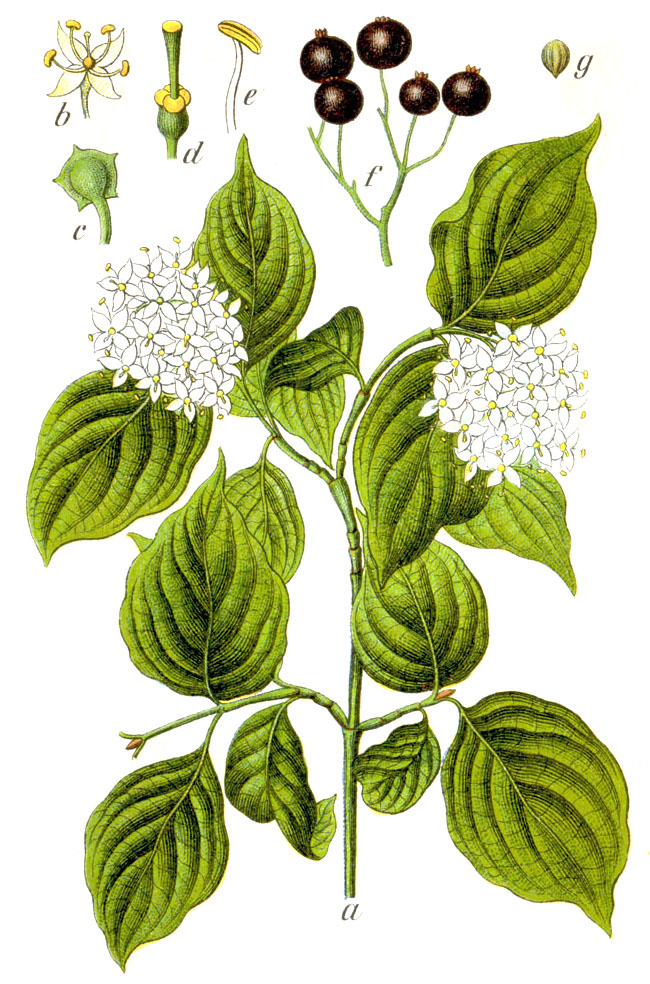
Dogwood is a common name for thirty to fifty trees and plants in the Cornaceae family. The most common tree in this family is the Cornus sanguine, a tree you’ll find in lot of Dutch gardens. You can recognize him by his white flowers and black berries.
The common English name for this tree is, as mentioned before, dogwood, but it wasn’t always. The first known name of ‘dogwood’ is ‘dagwood’. ‘Dag’ is derived from the word ‘dagger’. Originally the wood of these trees were used as sticks the herd the cattle.
It’s also known as ‘midwinter fire’ because of the orange coloured wood. Because of it’s special colour it’s used a lot by woodsculptors.
But it was more than ‘a pretty sight’. During the Victorian period the men presented the dogwood flowers to woman to make their affections known. If a lady returned the flowers, it was a polite way to reject the suitor. However, if she kept the flowers the suitor knew she felt the same.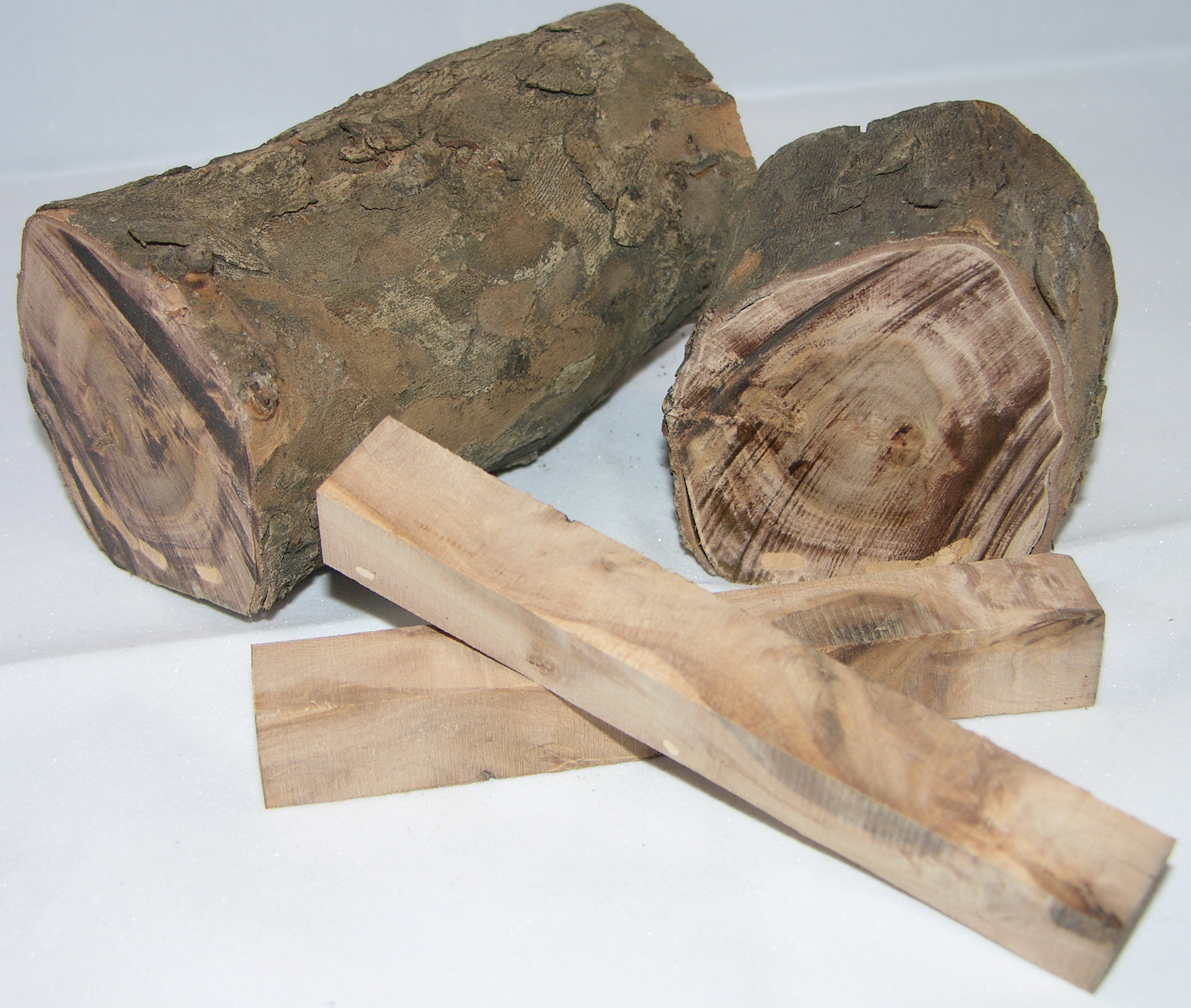
The wood
Wood of a dogwood tree is so strong that it’s most common use is to make the grip of a hammer and parts of percussion instruments. The best hammer grips are made of dogwood. This wood is not only strong, but also very flexible. It’s also used to make baskets or skewers. Which is ideal when you want to roast marshmallows by the camp-fire on a warm summer evening.
During the turning-process this wood requires some extra attention. It’s very normal that pieces will break off and knots will appear. So, when turning this, you really need to have your superglue close by, because you’re going to need it. Sure, this wood requires some special attention, but the result is absolutely stunning. There’s a lot of structure in the pen which contrasts with the light colour of the wood. The cracks and knots made in the process only give the pen more character.
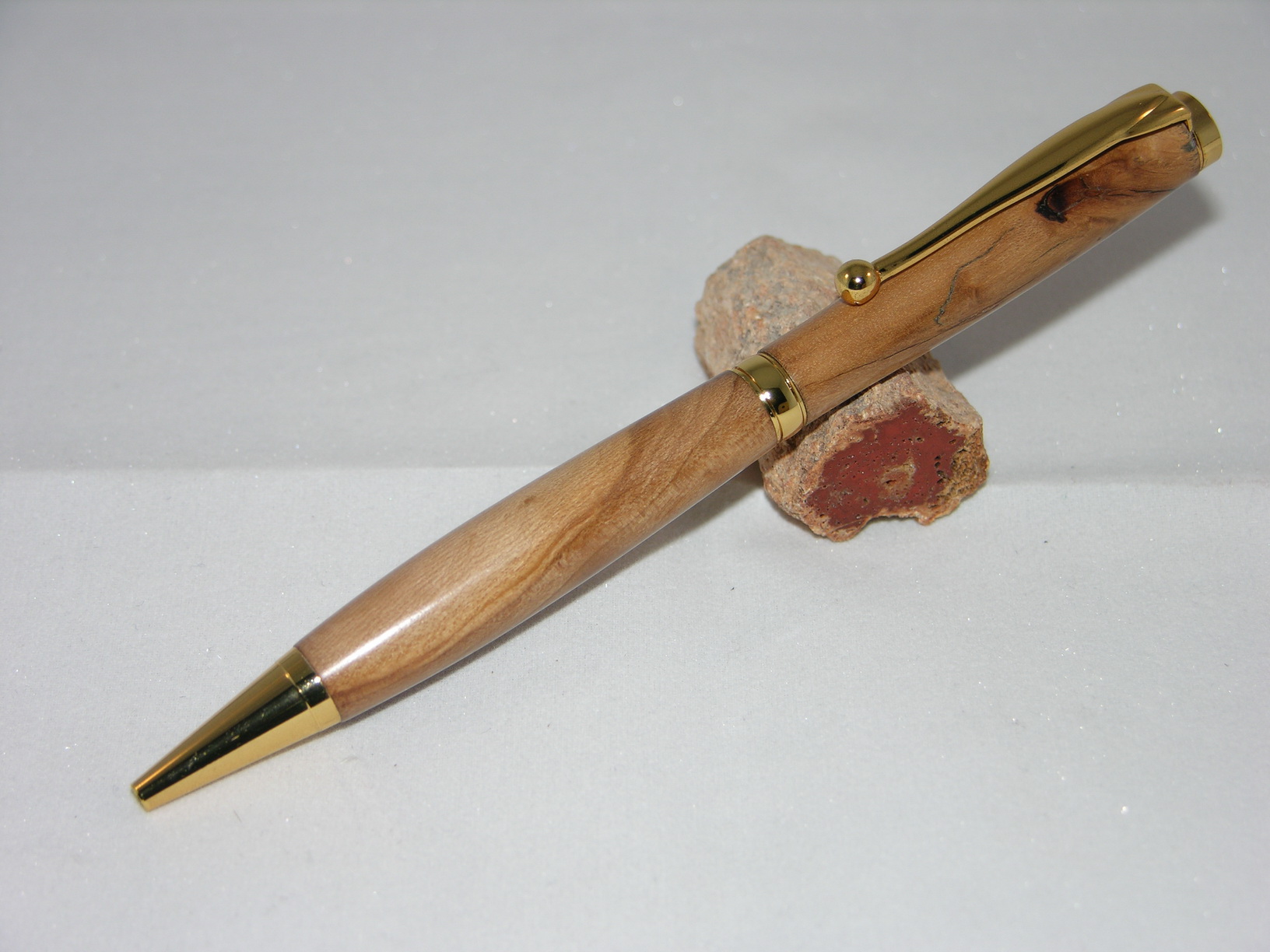
The result after turning the dogwood.